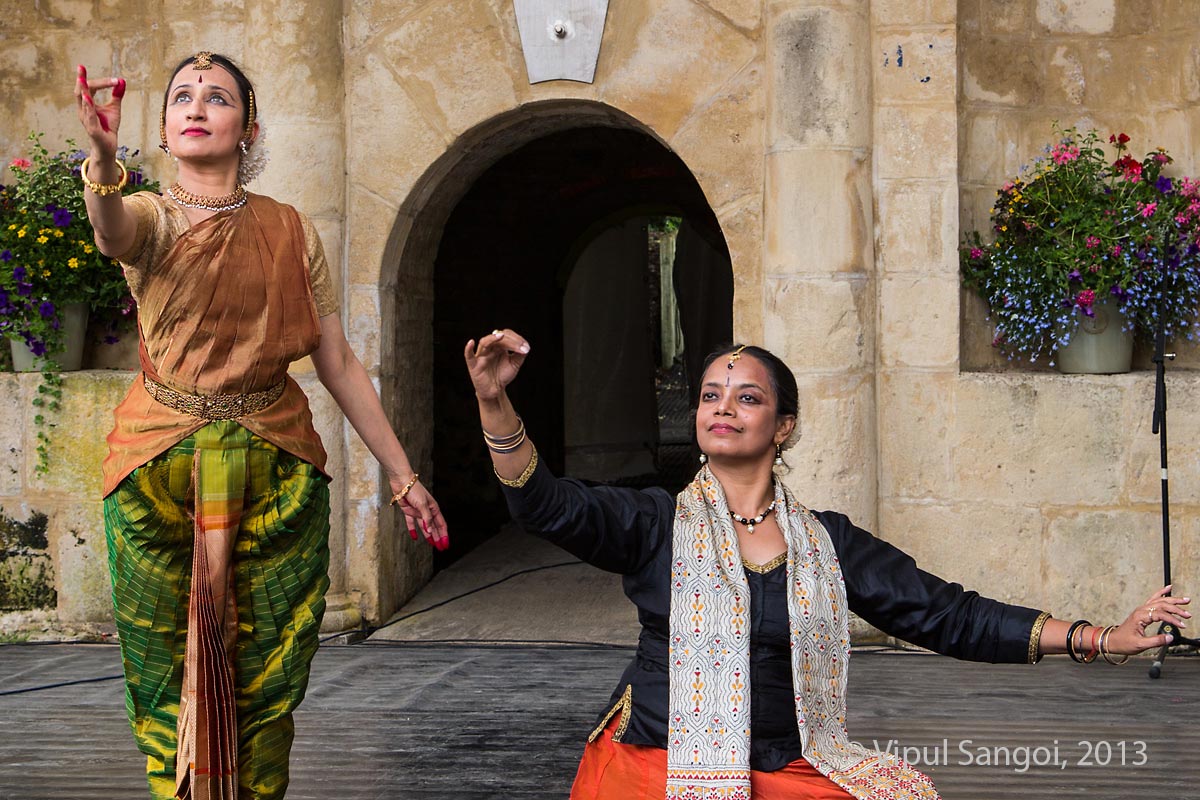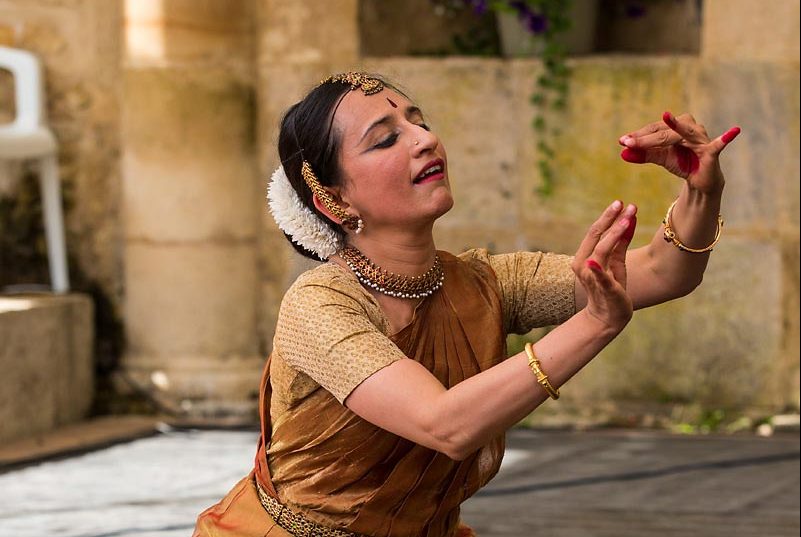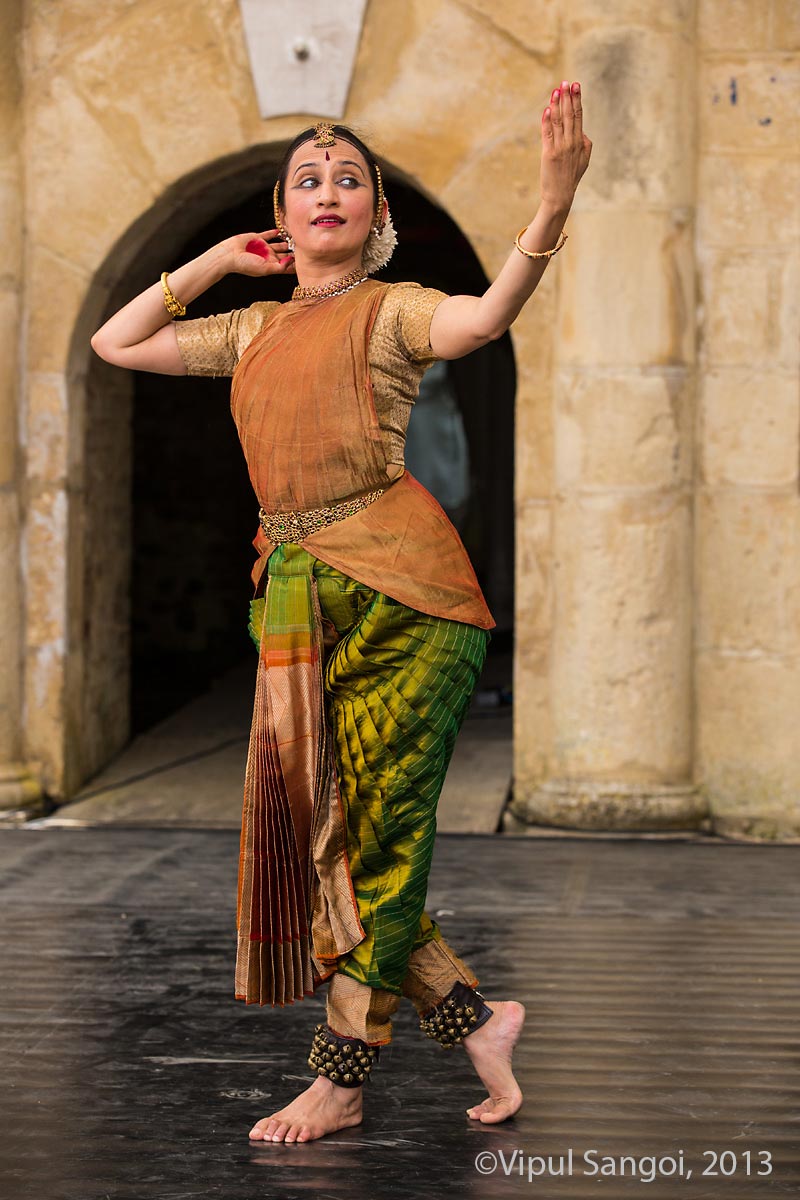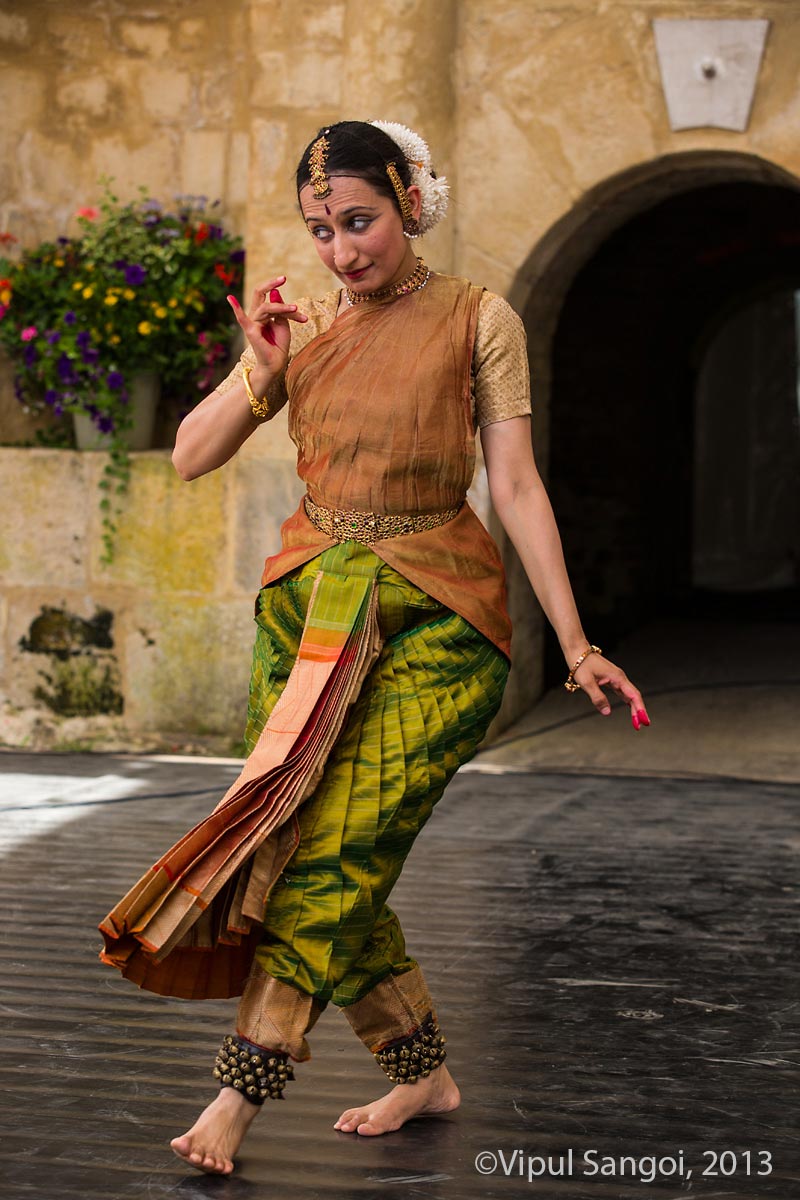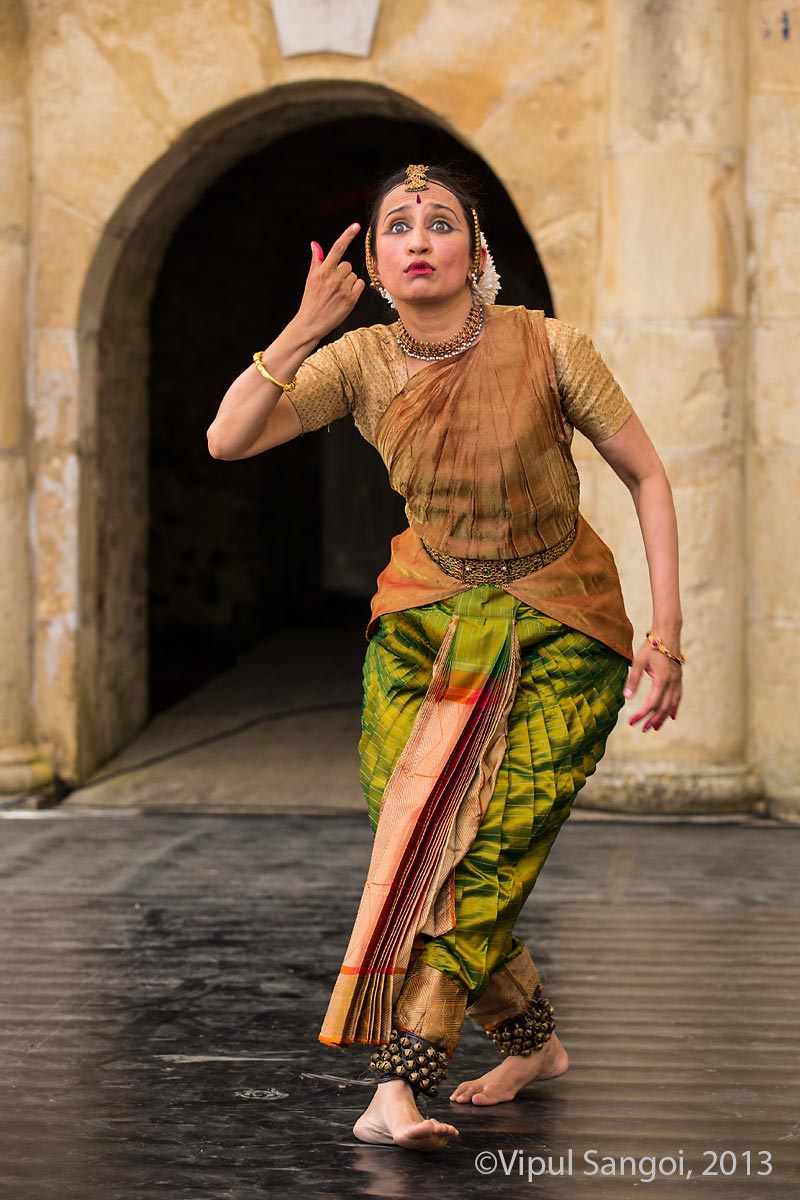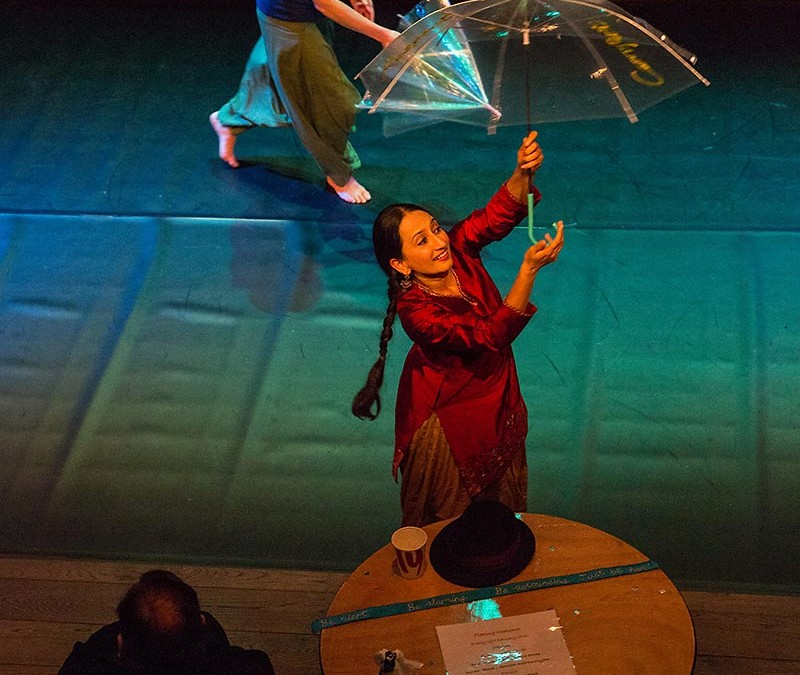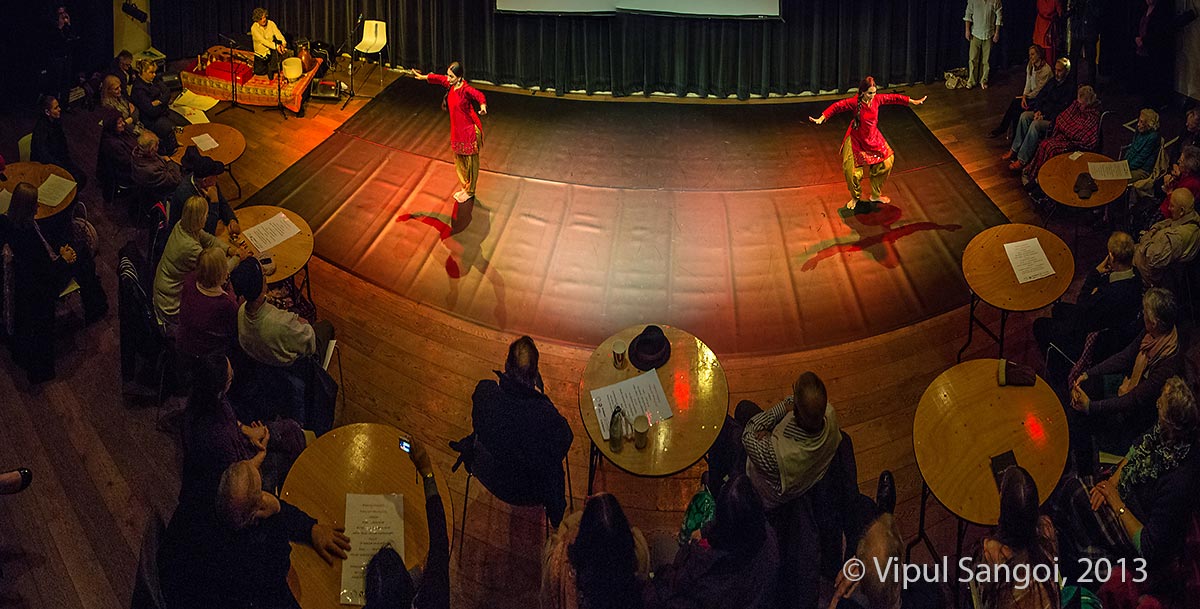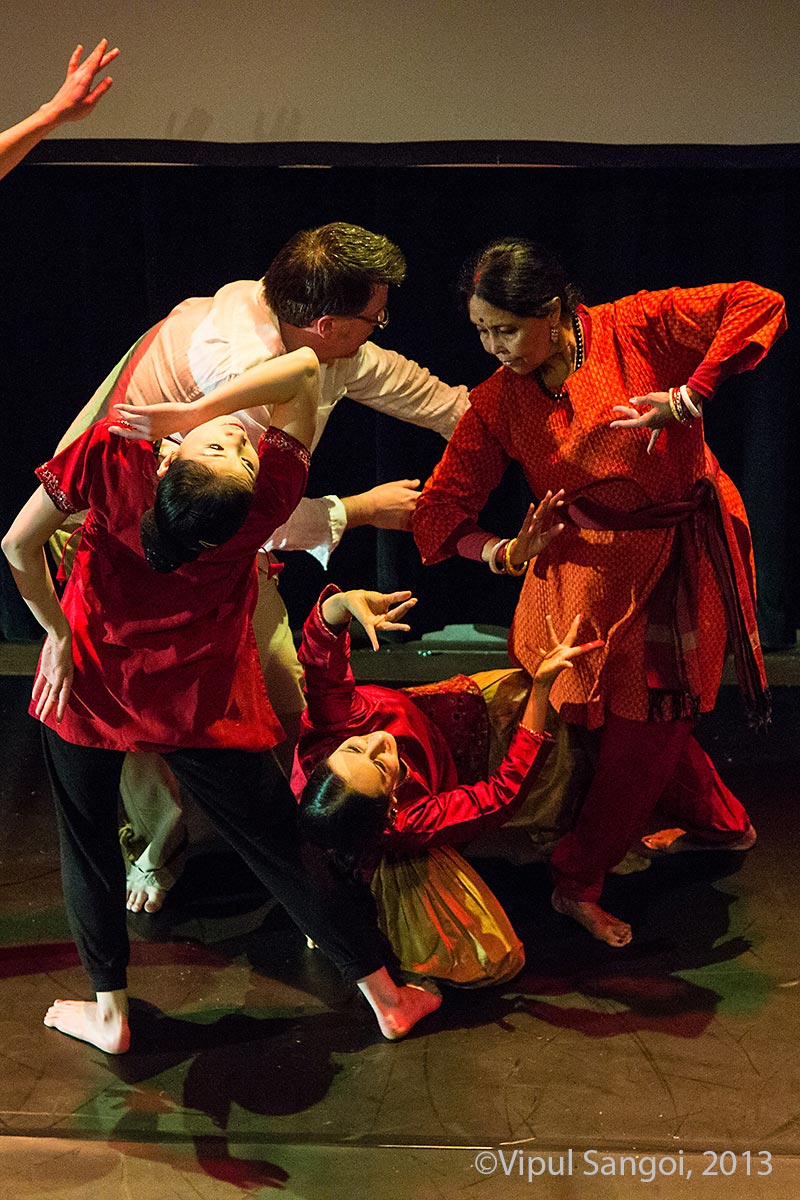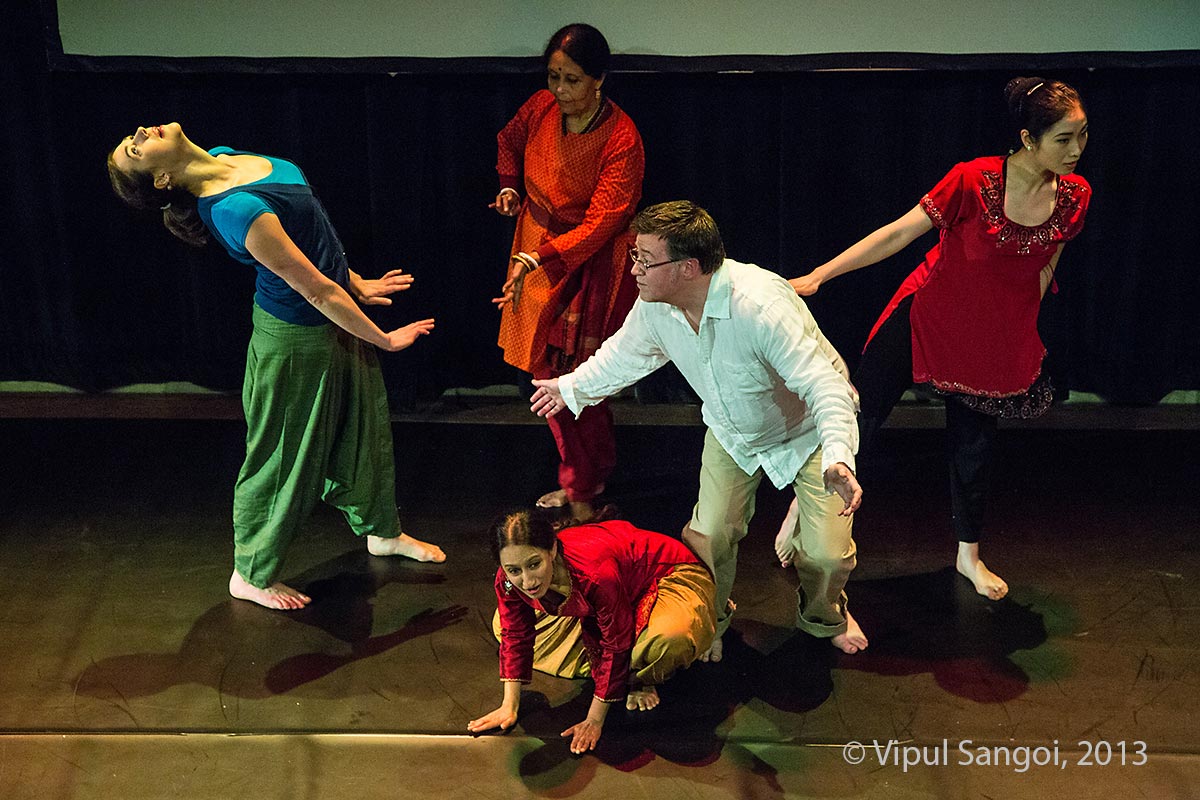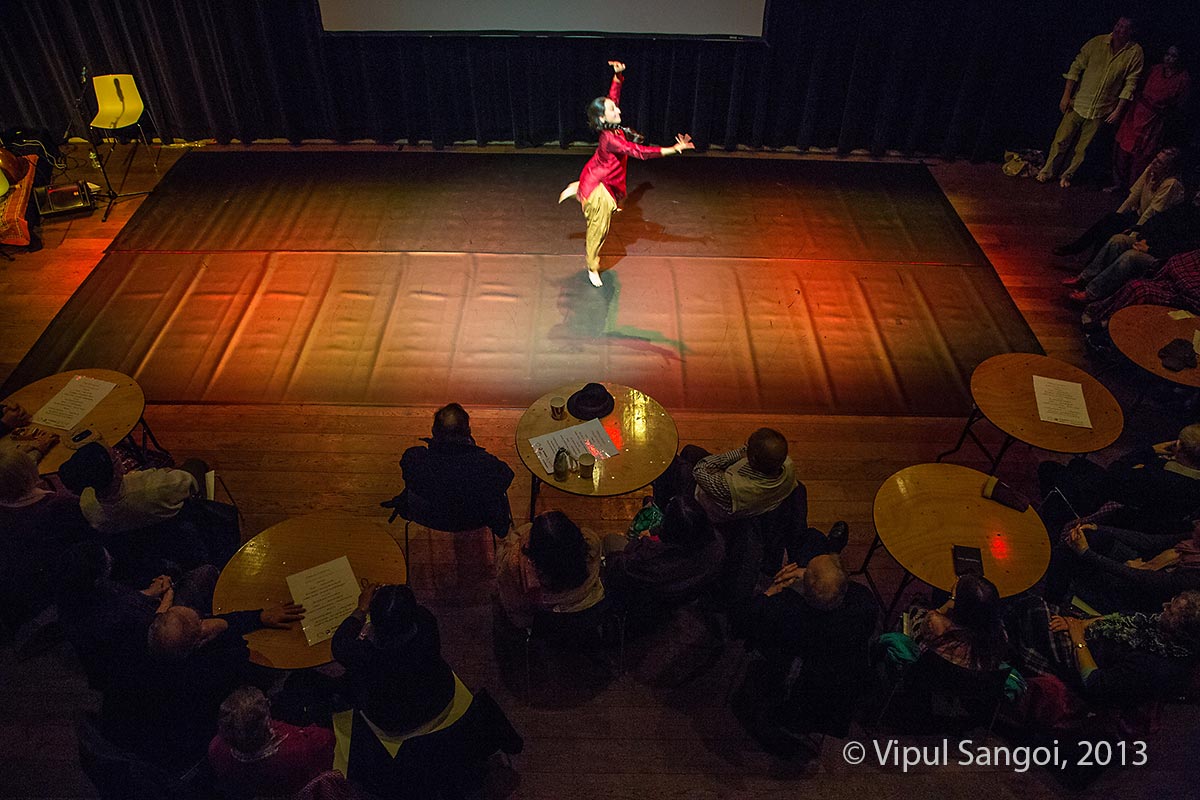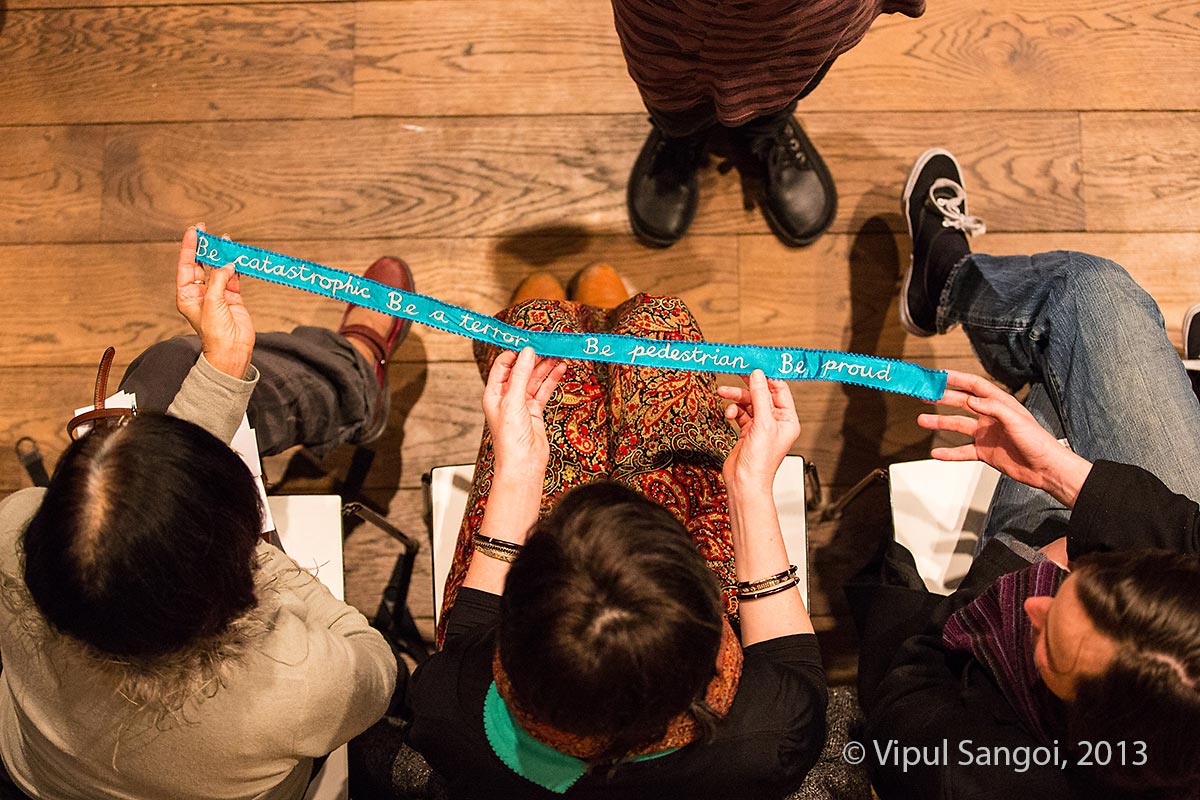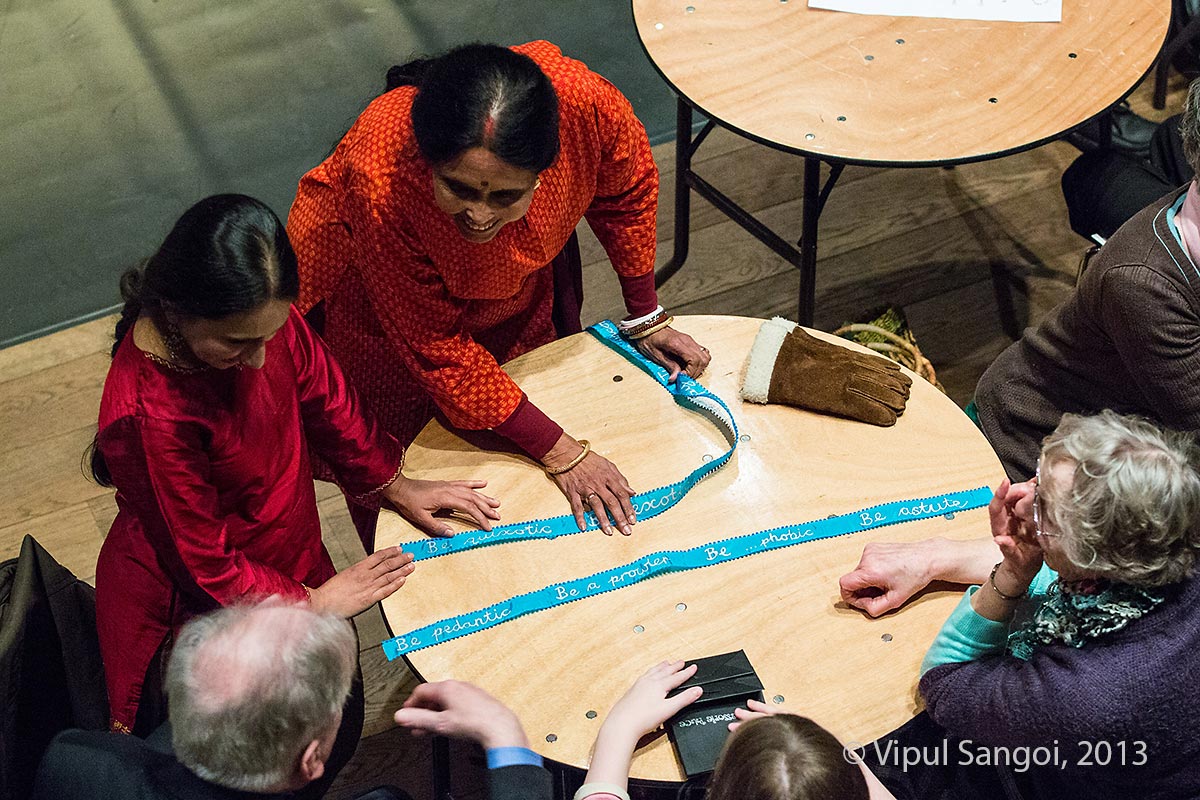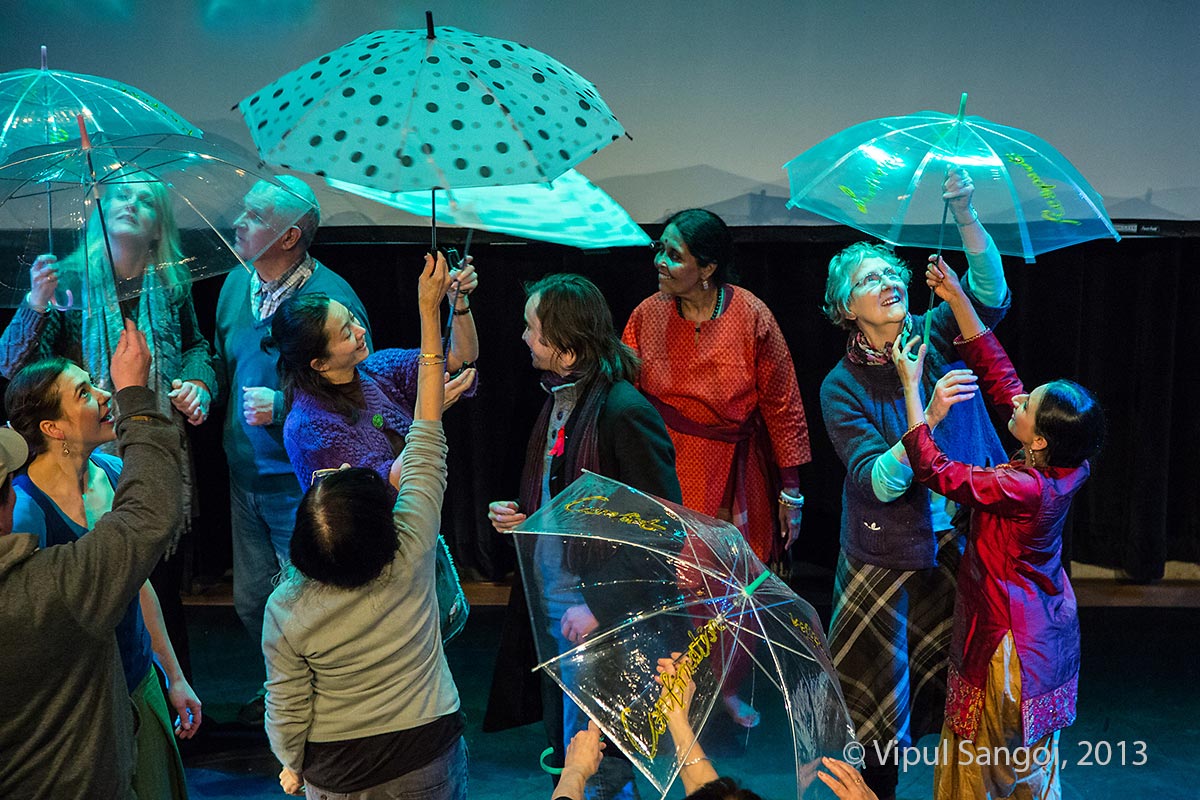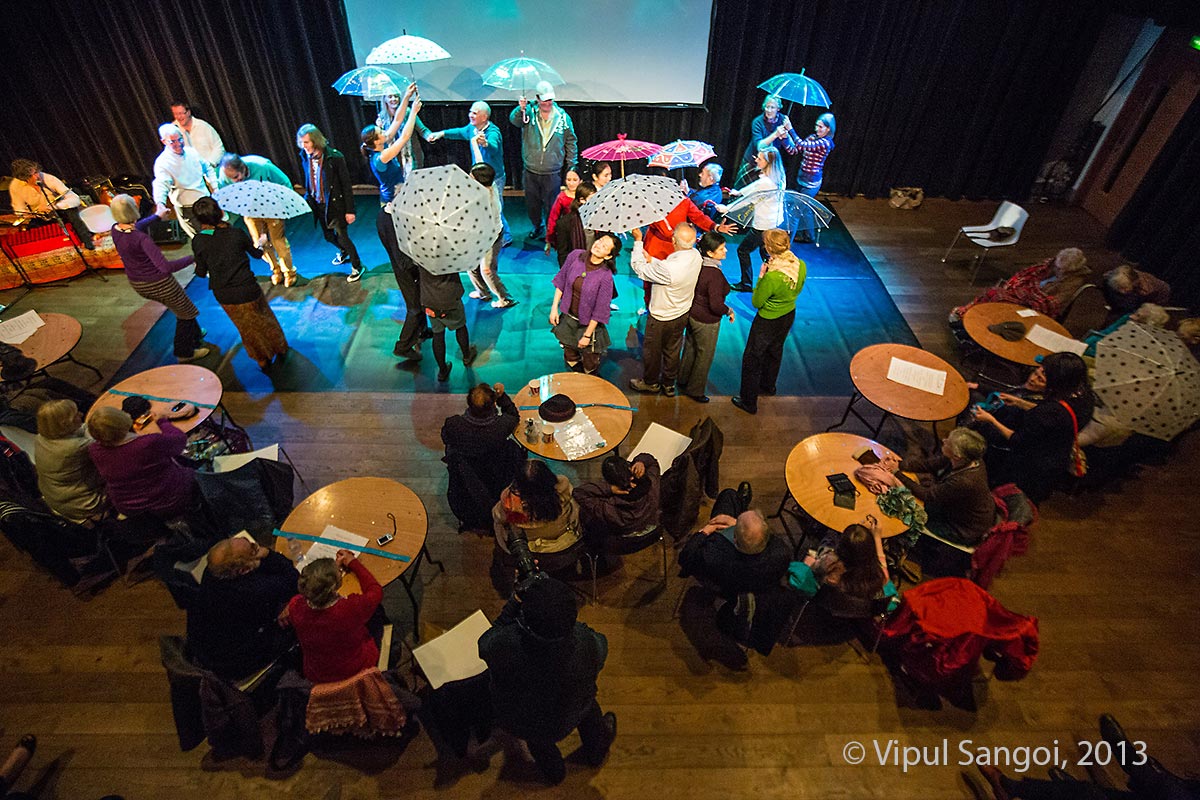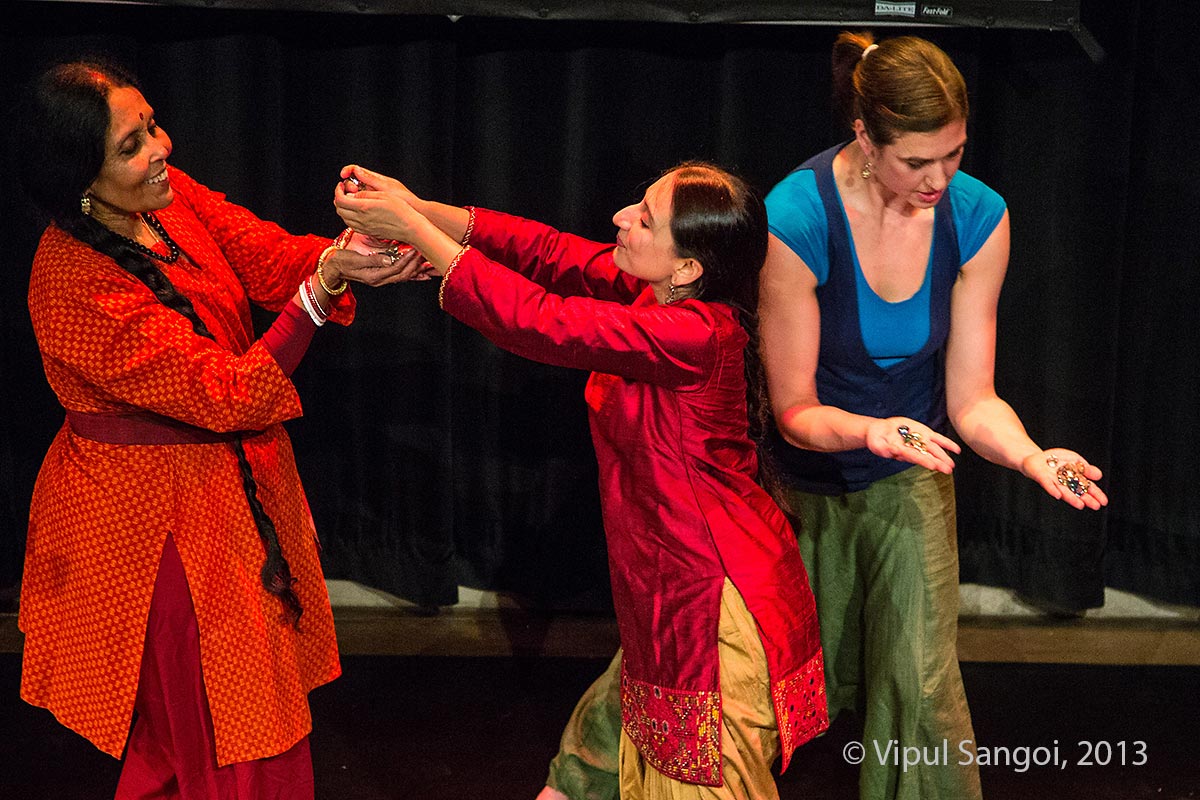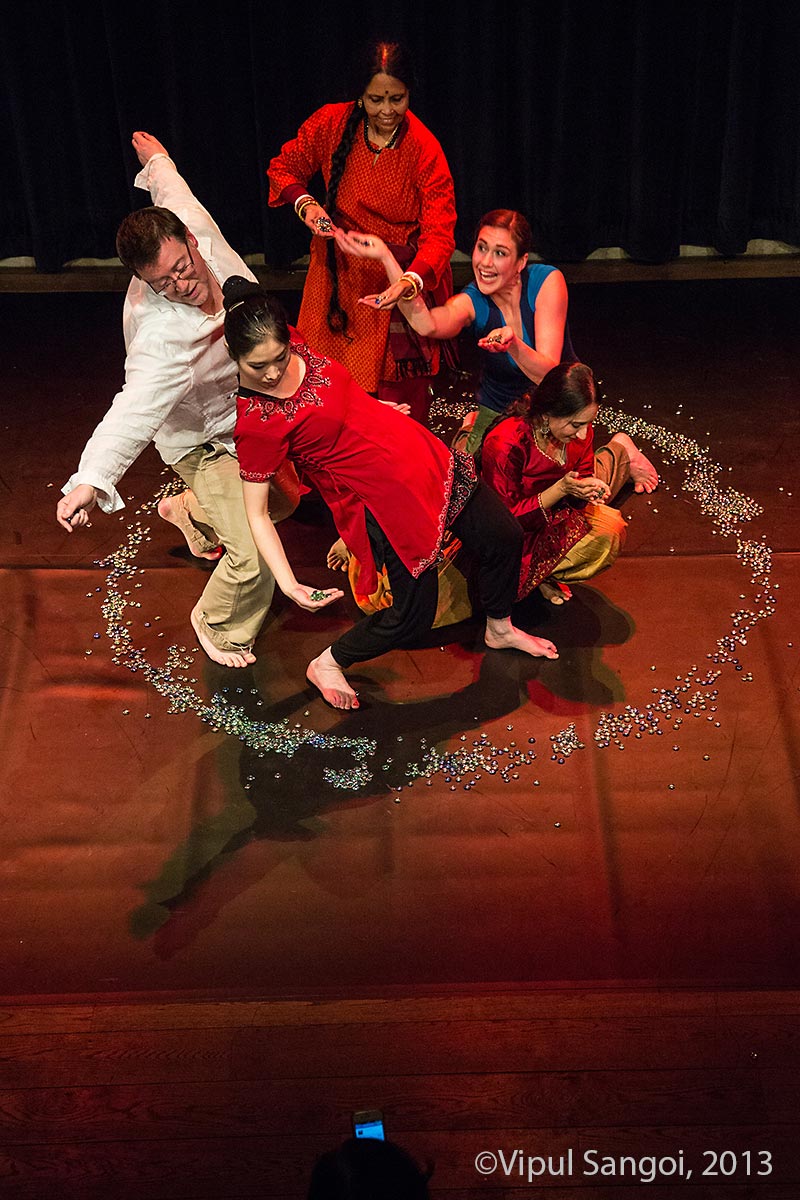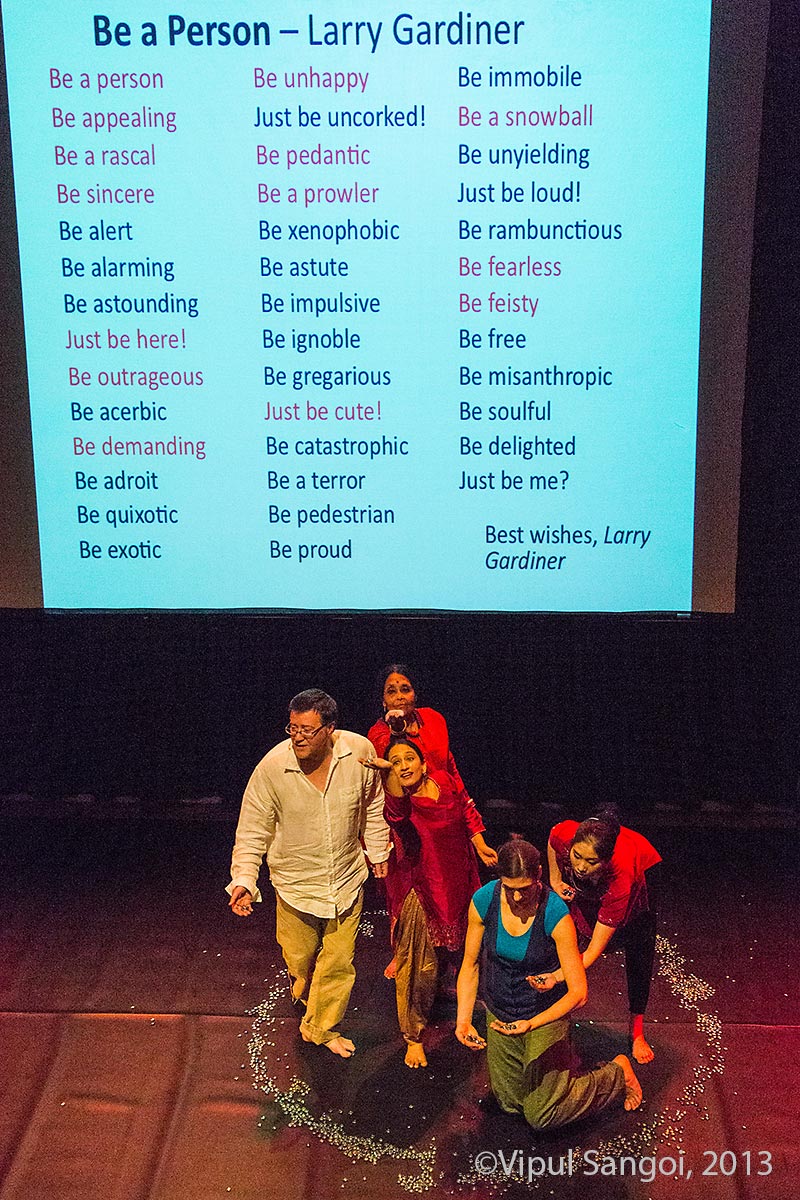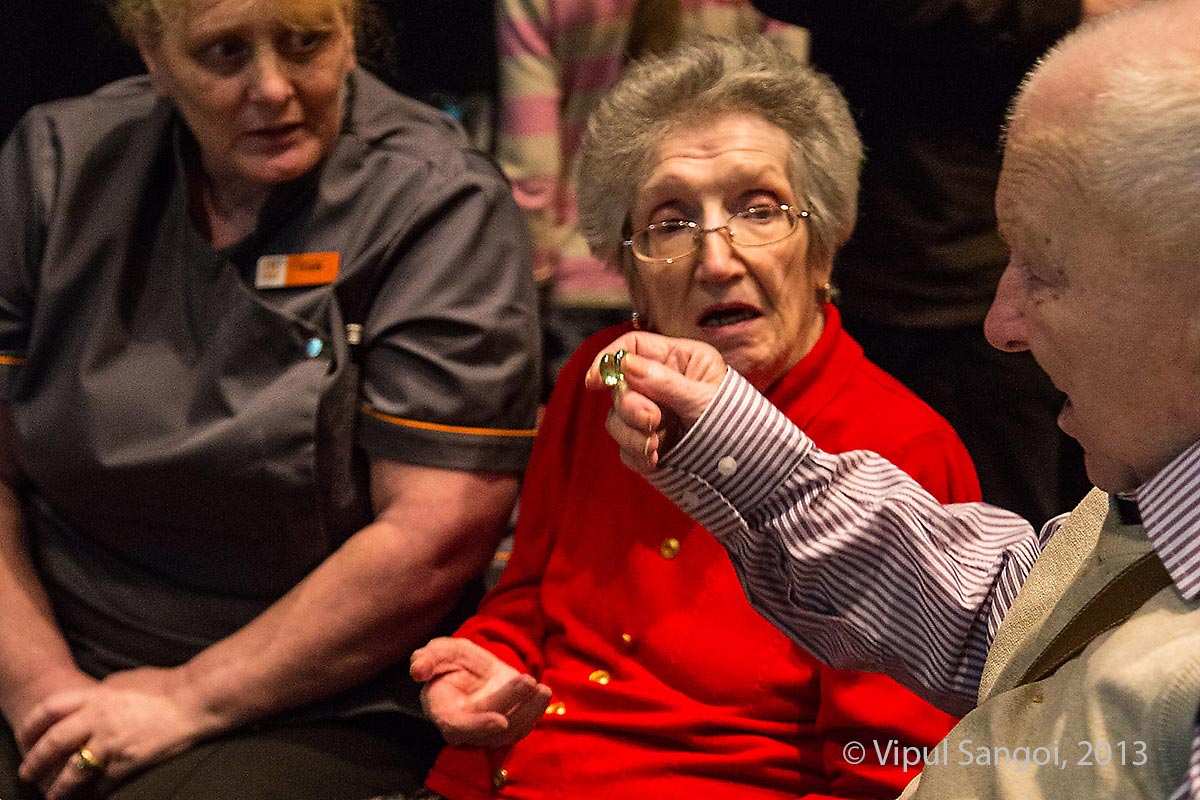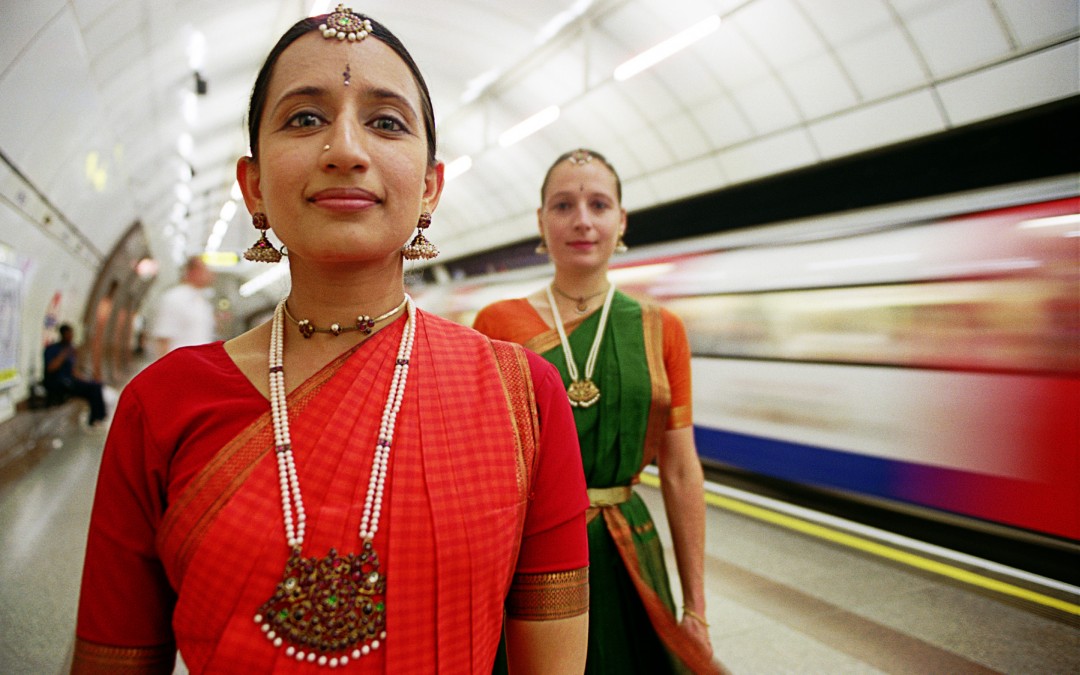
Colour Contact was a competitive multi-media dance performance commissioned by the Museum of London for the London Voices exhibition, 2004. Colour Contact explores the city of London and its present history through the eyes of its inhabitants. It draws upon the memories and voices of all those who live work and visit here. These voices were drawn from the oral history archive of the museum of London. It was performed at the Museum of London, Brent Brent Cross shopping centre, Southwark Tube Station and the Ealing Mela. Colour Contact was supported by the Heritage Lottery Fund.
Colour Contact is now regular part of Museum of London’s I am a Londoner project. Beeja runs a performance workshop with a school group visiting the museum to explore concepts of identity, belonging, community and engagement in multi-cultural London.
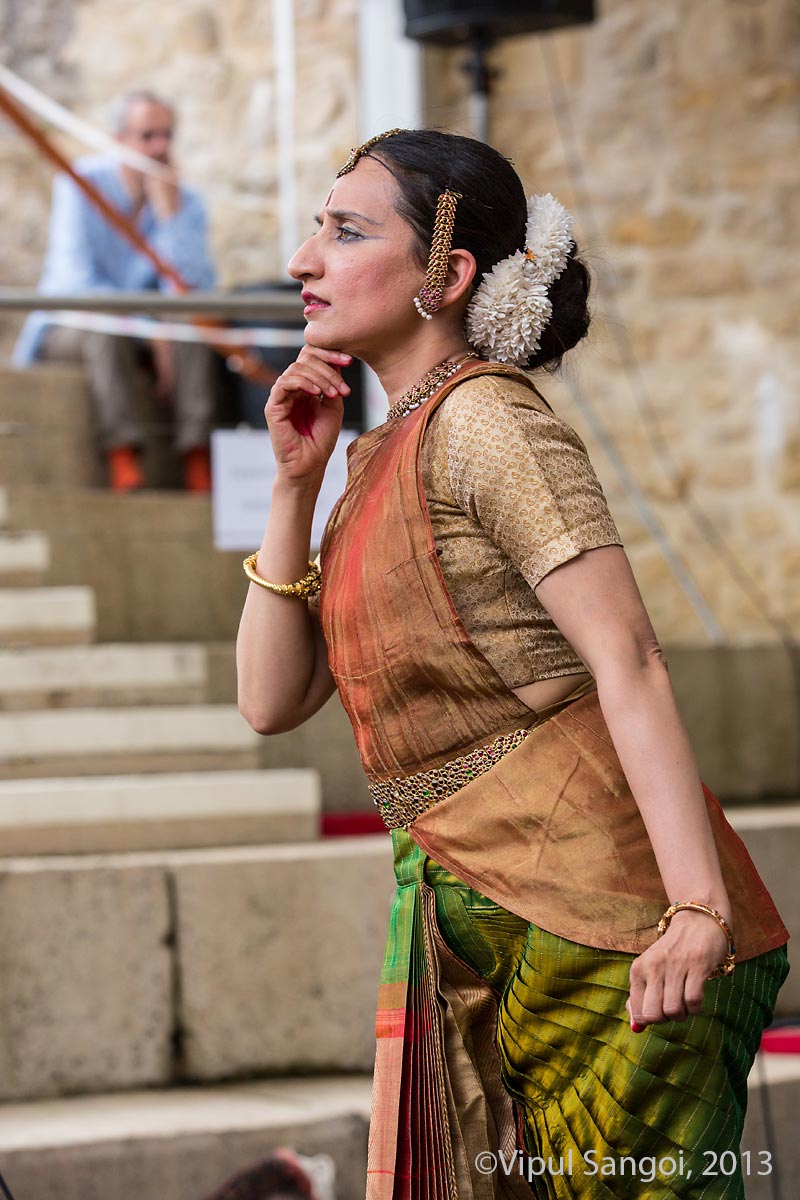
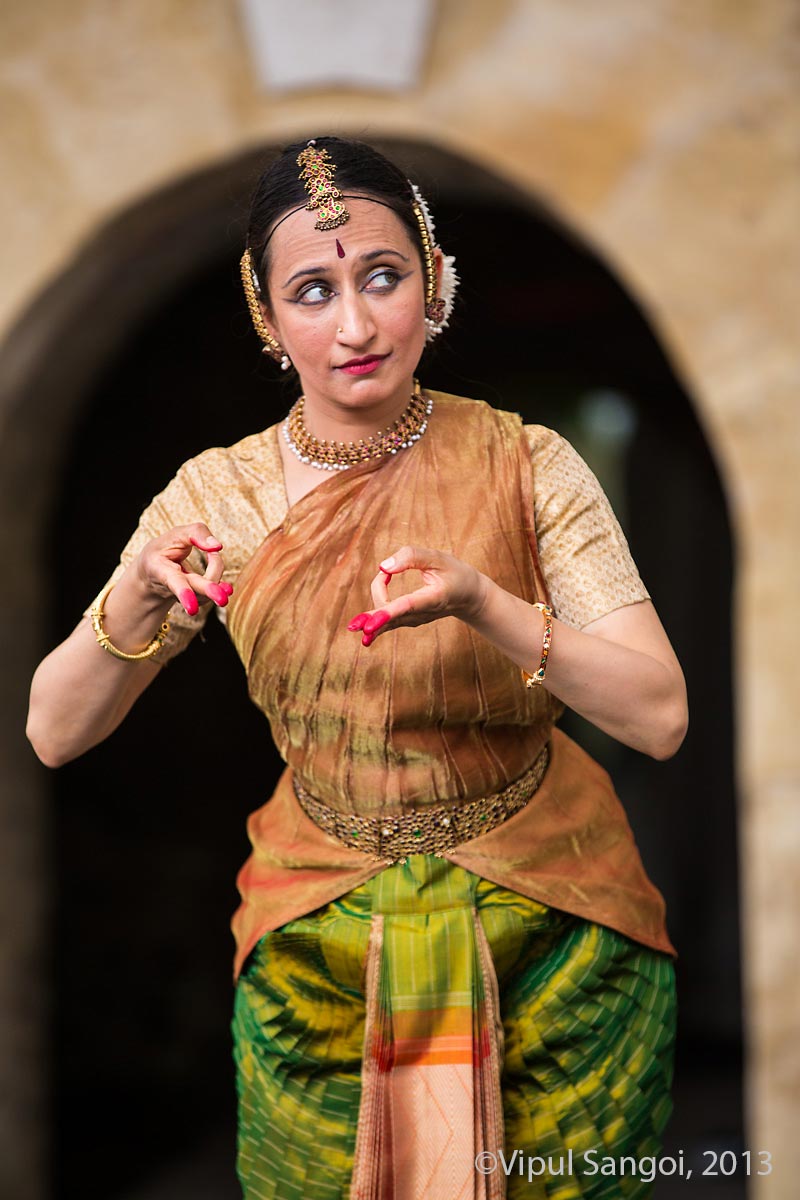
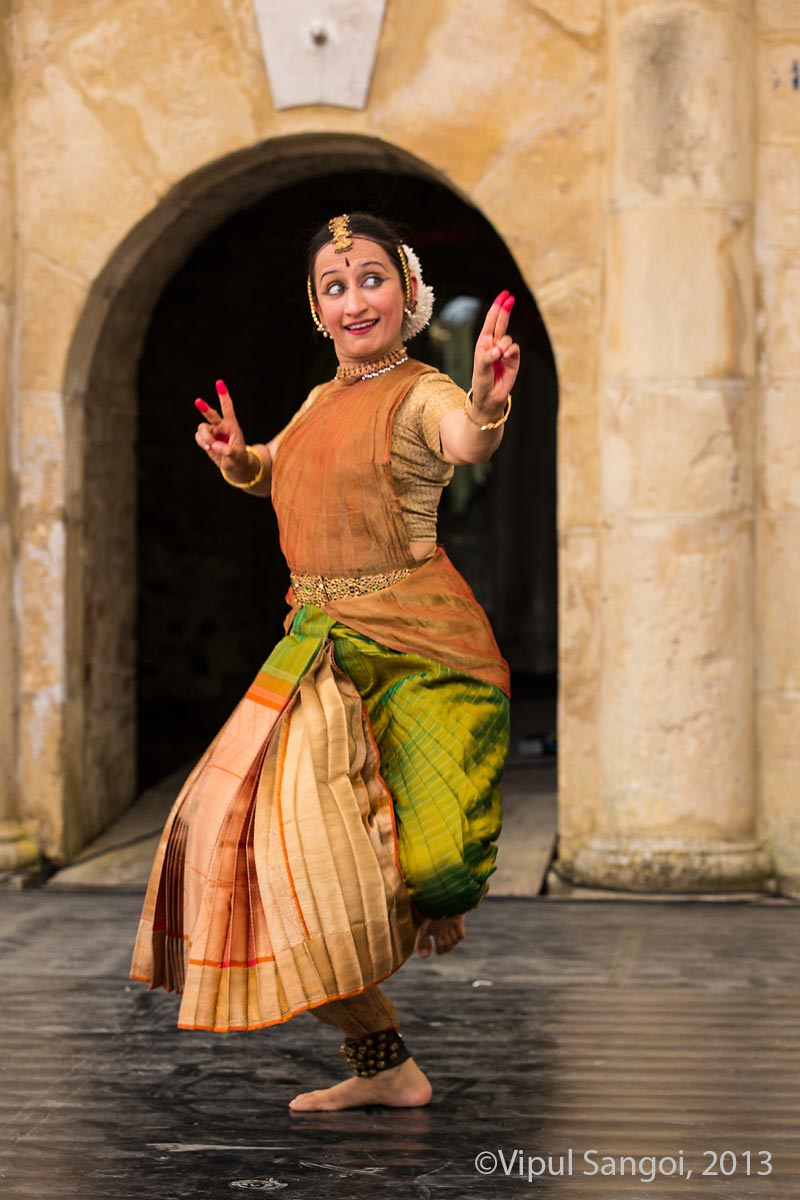
Deepam combines bharatanatyam with spoken text and poetry. It depicts some of the main episodes from the Ramayana: birth of Rama and his brothers; his exile from Kosala; attempted seduction of Rama and Lakshmana by the demoness Surpnakha, which results in her losing her nose; abduction of Sita by Ravana, Surpnakha’s brother, who wants revenge; Rama’s alliance with money king Sugriva and his general Hanuman who flies to Lanka to find Sita; the killing of Ravana and Rama’s triumphant return to Ayodhya.
Deepam was first performed at Wimbledon theatre and toured Devon.
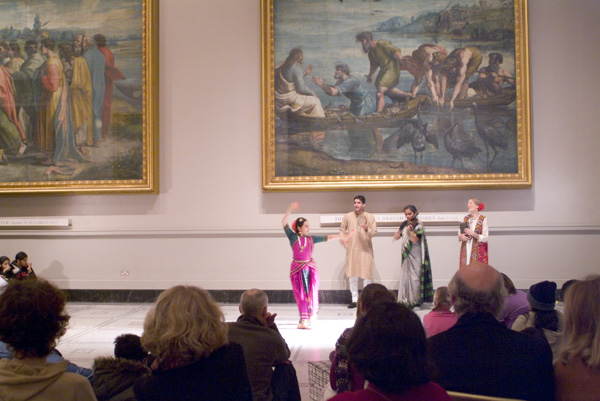
This site specific performance was an encounter between Indian classical dance and the most celebrated surviving artworks of the Italian High Renaissance. Anusha performed infront of two of Raphael’s monumental biblical scenes interpreting and drawing out the stories and characters and enabling the audience to find new life in the painting. Performed in the Raphael Gallery at the V&A during the ‘Encounters’ Exhibition, 2004. These cartoon were painted by Raphael to make into tapestries for the Vatican.
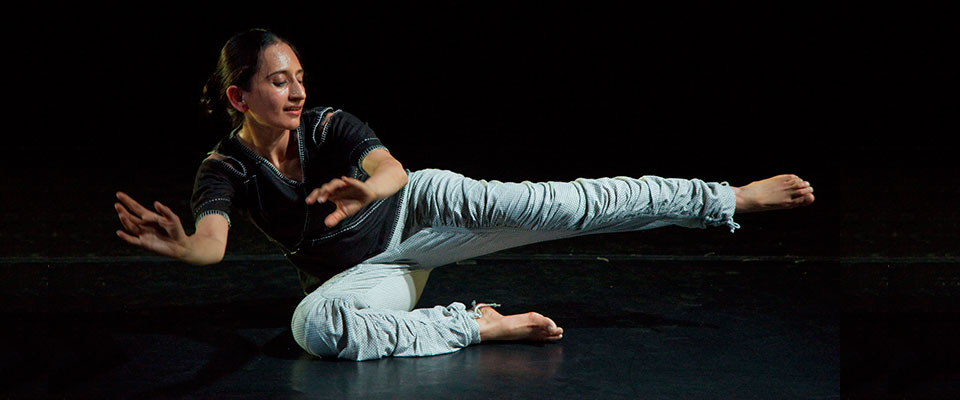
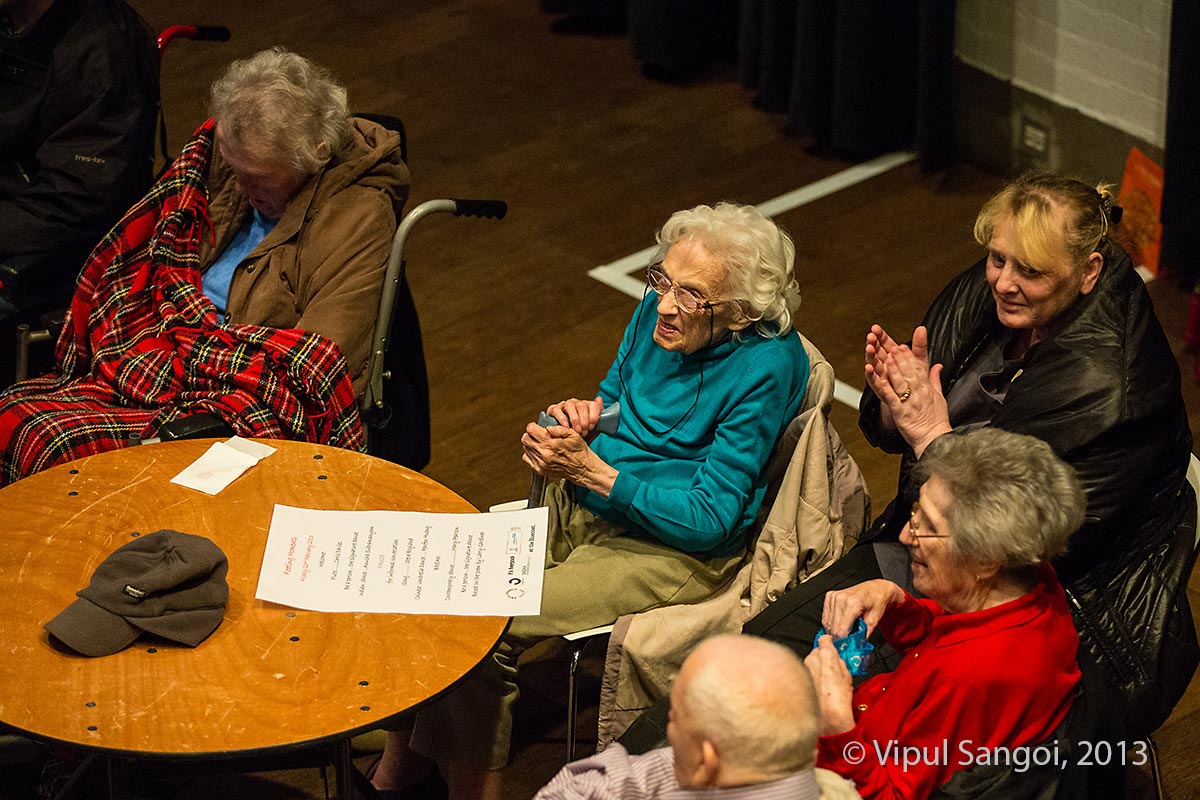
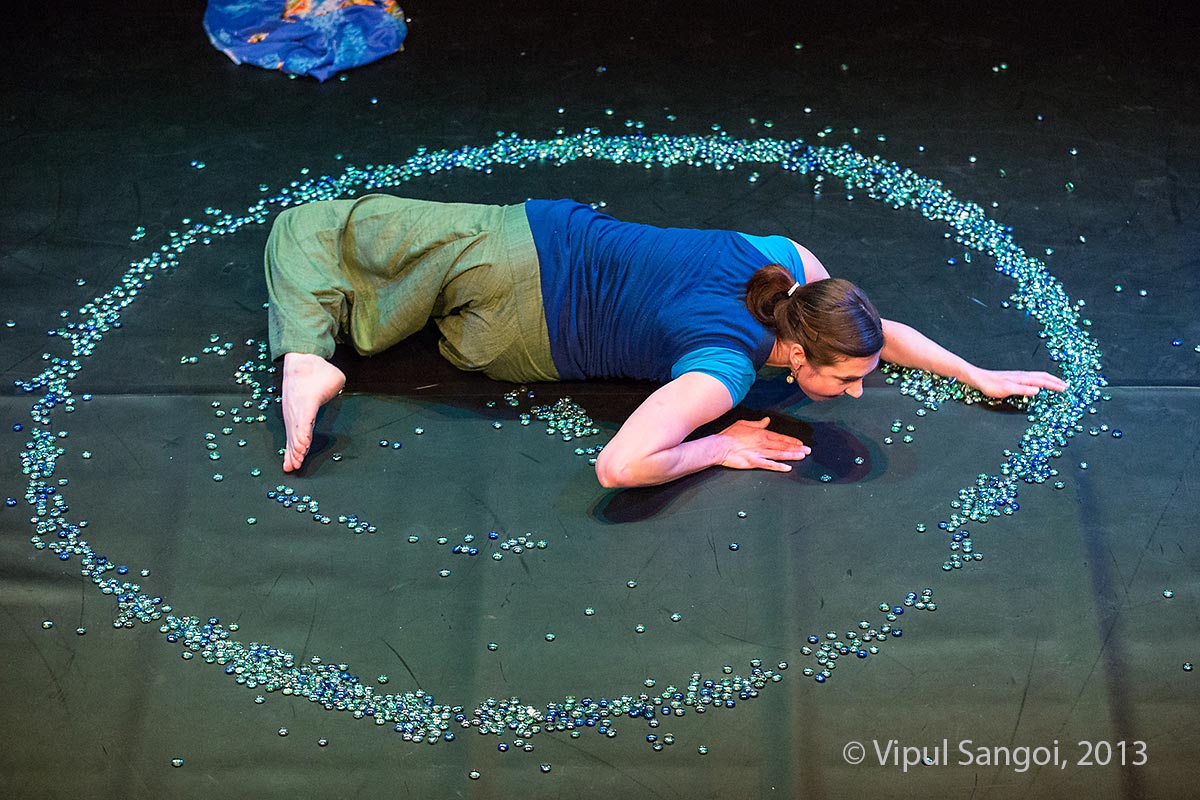
This choreographic work challenges notions of normal and abnormal, drawing inspiration from Anusha Subramanyam’s therapeutic and creative movement work with people with physical and mental challenges. It is an exploration of the dance that they created, using movement that is raw and sincere – straight from the heart.
Anusha also worked at the renal ward of the Birmingham Children’s Hospital, where she used dance to engage with the children and their families, empower the children’s own movement to help them regain an identity beyond that of sick patients.
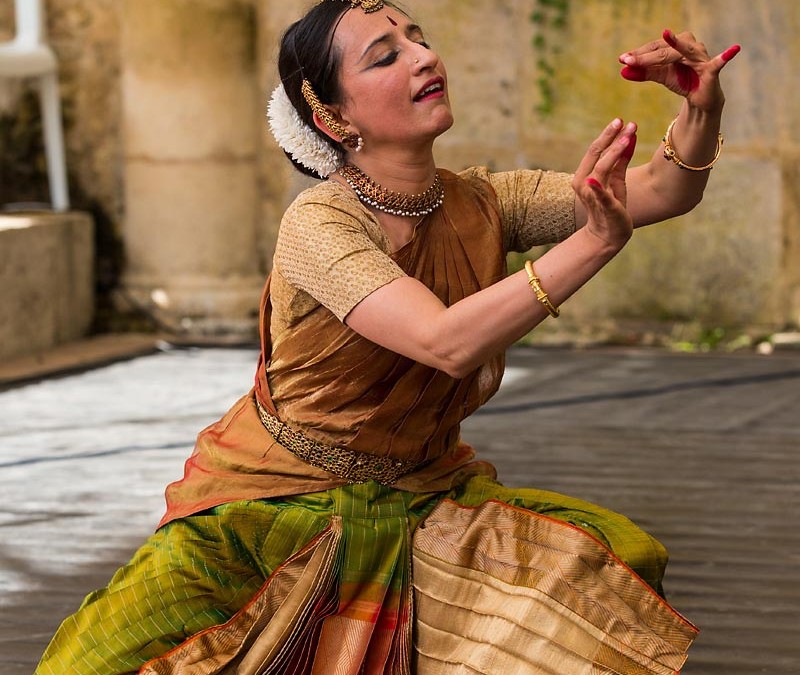
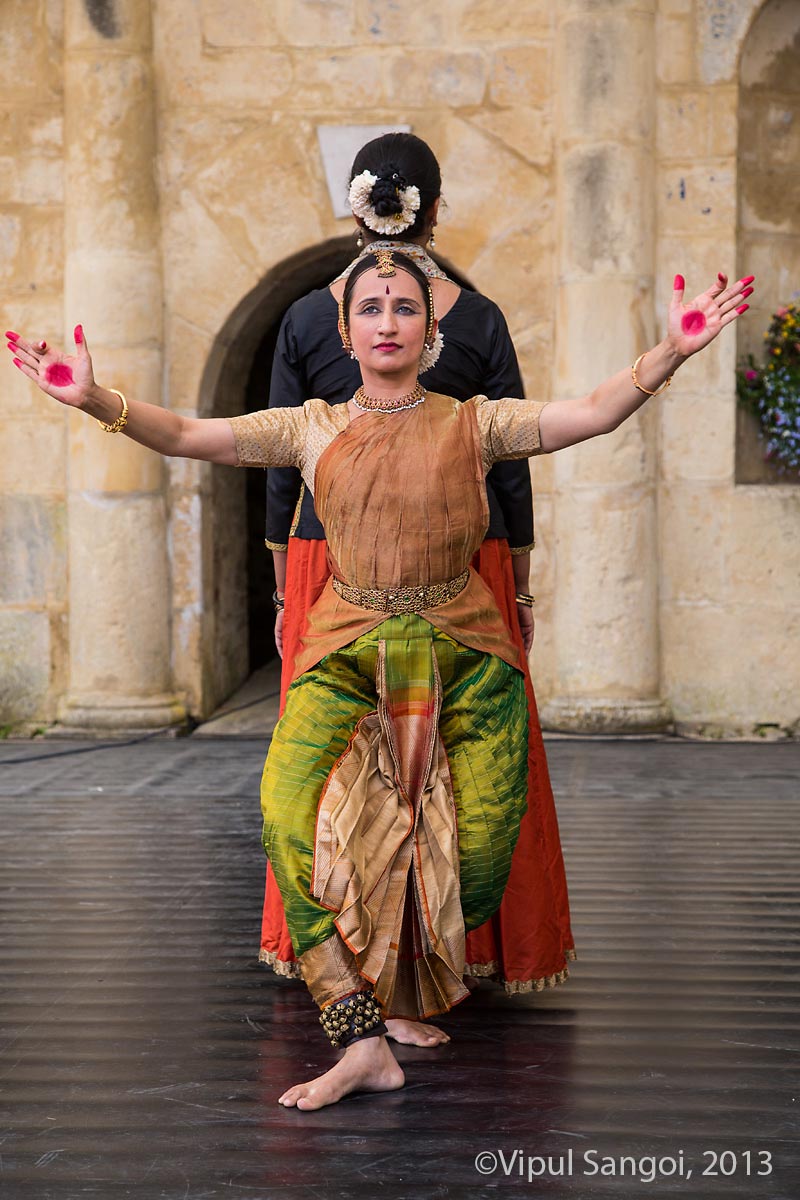
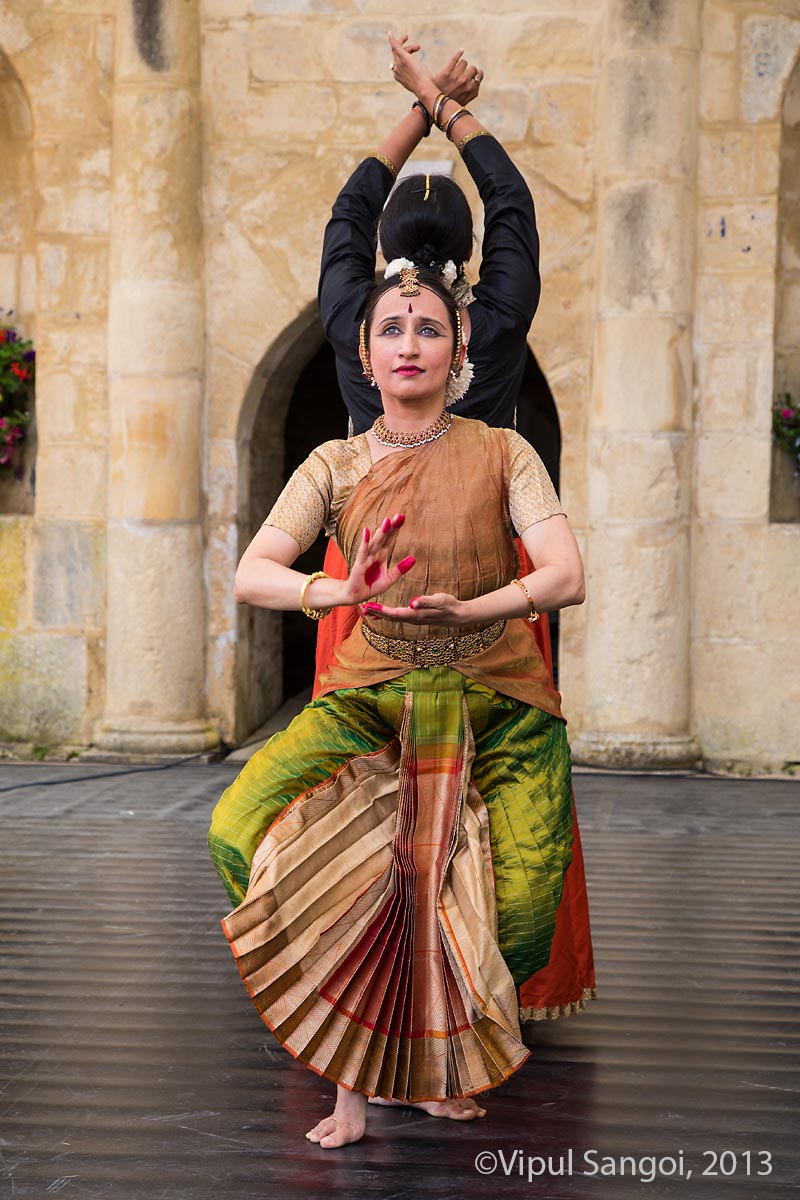
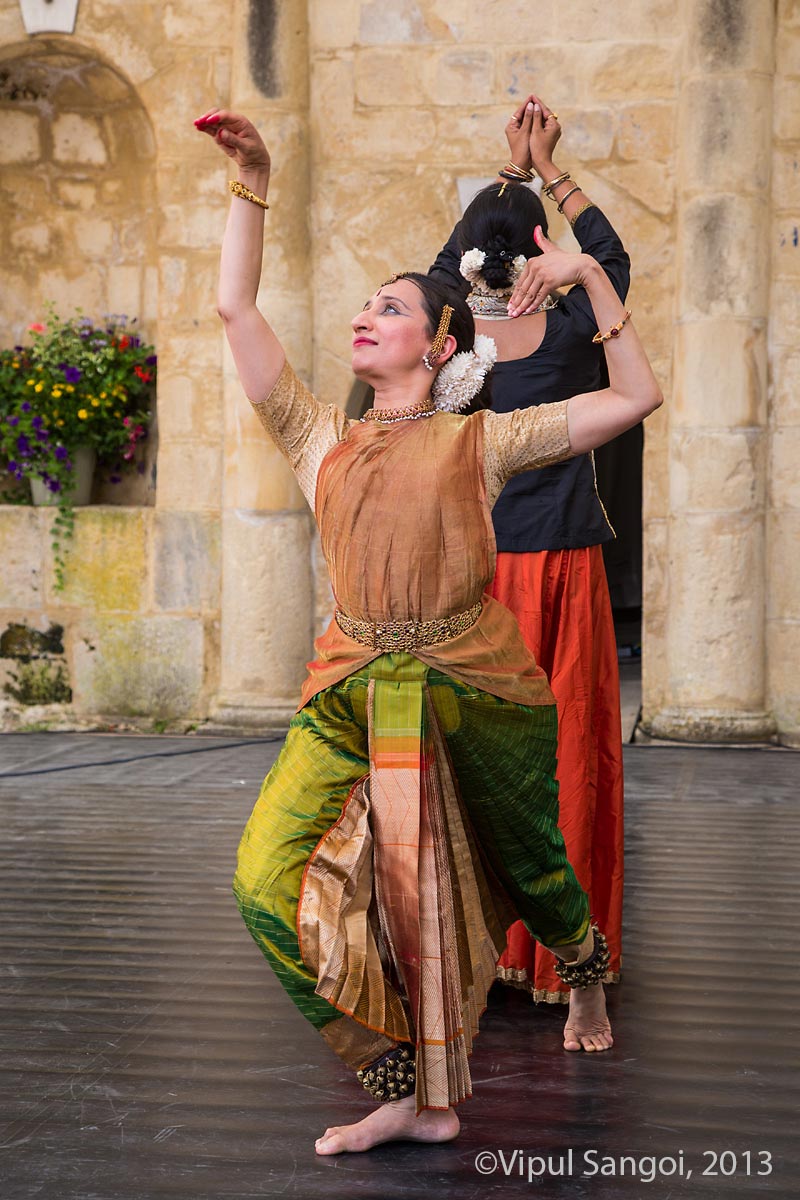
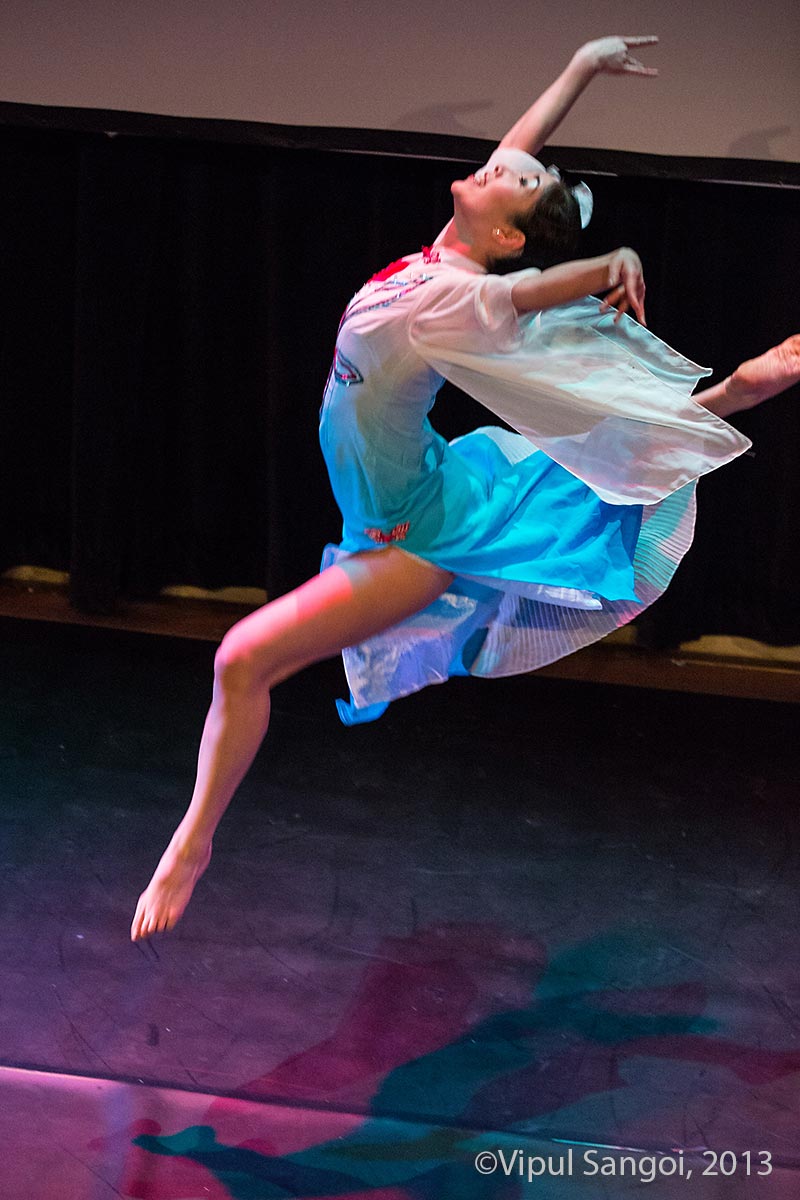
The work uses the emotive and gestural grammar of Bharatanatyam, combining it with movement that is both contemporary and classical.
Music : Michael Ormiston, Candida, Alice Shields and TM Krishnan
Music arranged : Vipul Sangoi and Anusha Subramanyam
Lights and costume : Vipul Sangoi